

Over the past decade, India has focused on expanding its renewable energy capacity. The next stage will be more challenging and could have an even bigger impact on the economy.
Now, the main question is not just about how much solar and wind power India can add. It is whether the country can develop the storage, transmission, power electronics and manufacturing systems needed to make renewable energy reliable and useful for the economy.
In 2026, India reached 300 GW of non-fossil power capacity, with solar and wind making up a fast-growing part of the system. However, renewable energy is not always available when electricity demand is highest. Solar power drops in the evening, wind depends on location and weather, and industries need steady, predictable power.
This leads to a new challenge:
Renewables → Storage → Grid → Reliable Power → Industrial Growth
The bottleneck is consequently shifting.
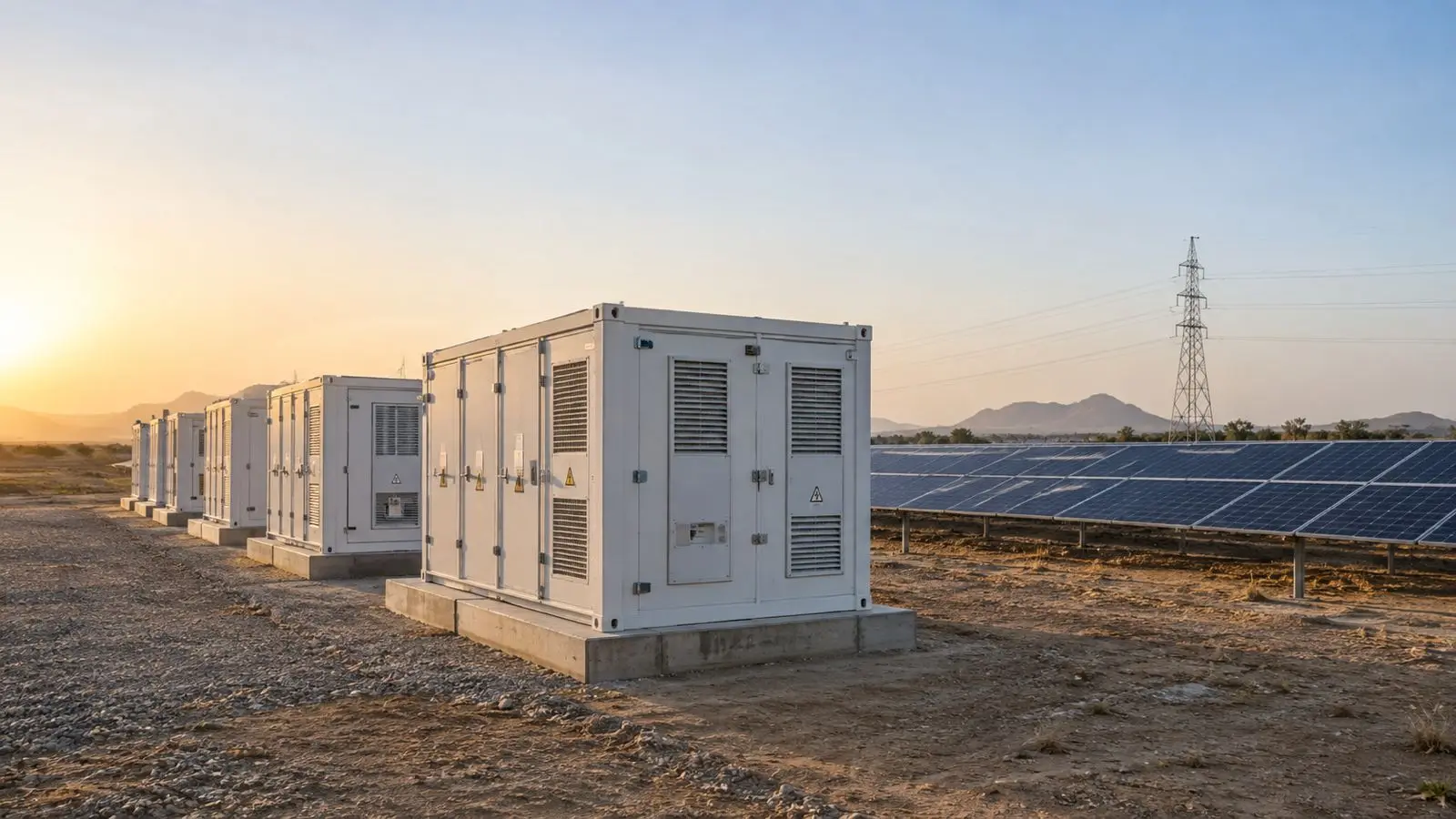
Battery storage systems, pumped hydro, transmission networks, forecasting, smart grids and flexible generation are now just as important as solar panels and wind turbines. The Central Electricity Authority projects that India may need over 400 GWh of storage by 2031–32. This is not just an energy need, but also a huge new industrial market.
Storage also changes how renewable energy works financially. With storage, a solar plant can supply electricity after sunset. Better transmission networks can send power from areas rich in renewables to industrial centres. Digital grid management can help balance millions of places where power is made and used.
This also creates a new opportunity in manufacturing.
If India can develop its own skills in making batteries, power electronics, inverters, transformers, grid management systems, storage software and advanced materials, the shift to clean energy could also become a strategy for growing manufacturing.
However, there is a risk to consider.
India could face the same problem as before in the solar industry: building a lot of manufacturing capacity but still relying on imported technologies and parts. The goal should not just be to make more batteries or panels, but to create a full energy technology ecosystem.
India’s next energy milestone should be judged by what its growing clean-power system makes possible: more productive factories, stronger local supply chains, skilled jobs and reliable electricity for both businesses and homes.
To achieve this, energy policy, industrial policy and skills development must work together and progress should be measured by real results, not just announcements.
For India’s long-term goals, the key will be turning renewable resources into affordable, reliable power at scale and building the technology and skills needed to do it.